Latest
March 13, 2026
Better sleep, safer work: tips from Newhaul's fatigue experts
Wellness, Employees
Latest
March 13, 2026
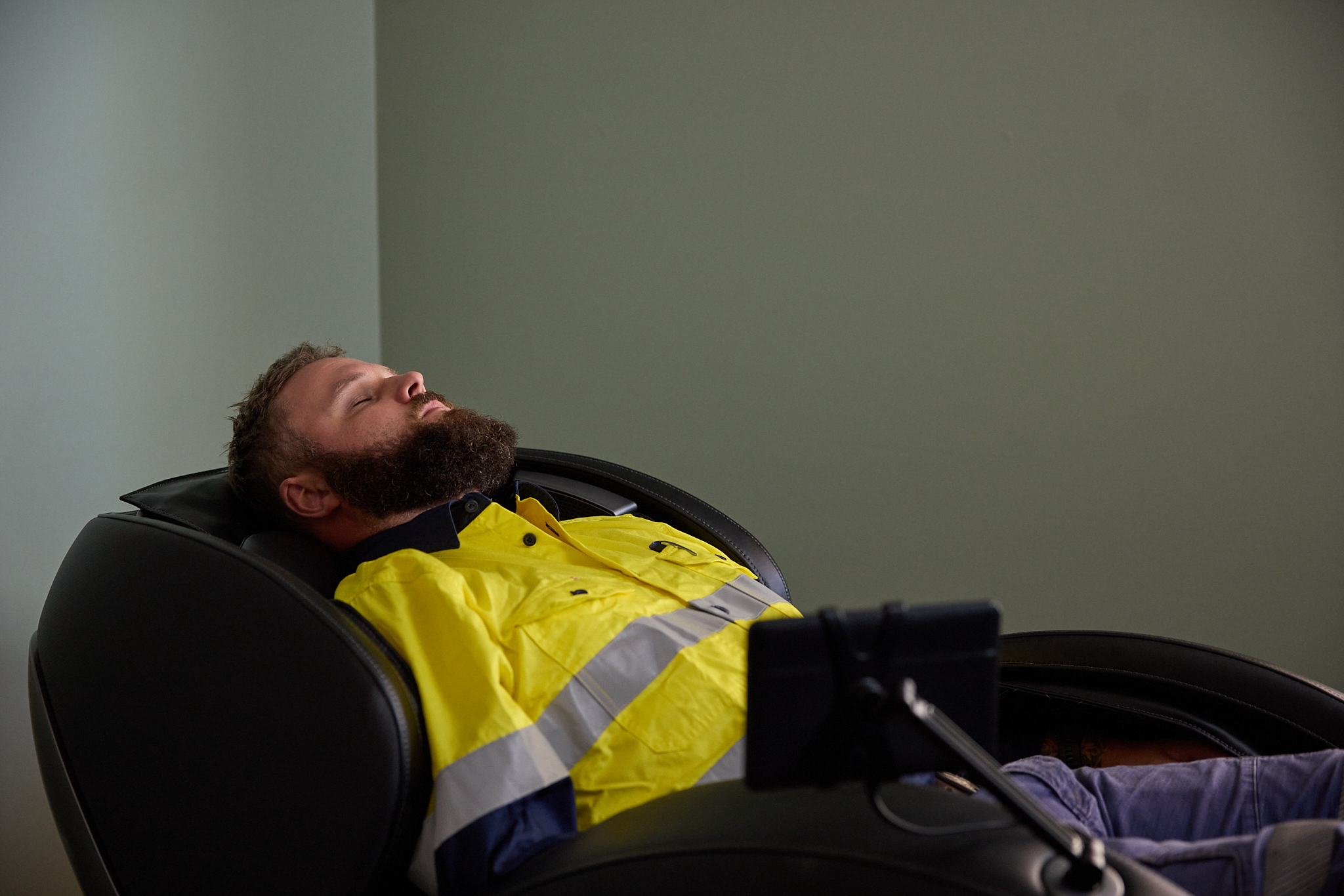
Good sleep isn’t a luxury – it’s a critical safety tool, a performance booster, and one of the most powerful ways to protect your long-term health. In recognition of World Sleep Day, Newhaul’s in-house fatigue experts share practical, science-backed strategies to help you stay rested, alert and safe on every shift.
"Fatigue is one of the biggest risk factors in heavy vehicle operations, and even small improvements in sleep can make a significant difference. The Newhaul Wellness Program is our industry-leading Program specficially designed to improve our employees' sleep, giving them practical ways to boost energy, improve sleep and protect health for the long run." - Andrea O'Sullivan, Acting Chief People Officer
The most effective way to improve sleep is surprisingly simple: plan for at least 8 hours in bed. Because sleep efficiency averages around 85%, eight hours in bed typically results in about seven hours of real, restorative sleep.
For shift workers, this means working backwards from your shift start time to make sure your sleep window is protected – just like your roster.
Your pre-bed routine has a huge influence on sleep quality. A consistent wind-down period ideally starts an hour before bed, and helps calm the nervous system and signal to the brain that it’s time to switch off.
Reducing screen time, avoiding stimulants and heavy meals, dimming lights, and allowing both your mind and body to slow down makes it easier to fall asleep and stay asleep through the night. Leaving at least an hour between eating and sleeping makes a big difference!
Stress is one of the most common sleep disruptors. When you’re stressed, falling asleep becomes harder – and staying asleep is more challenging. Improving sleep expands your ability to handle stress the next day, creating a positive cycle of better recovery and clearer thinking.
To help manage stress, tools such as the Smiling Mind App or the Oura Explore guided breathing and meditation sessions are designed to help the body settle before sleep.
Managing stimulants and sedatives is key to protecting sleep quality.
Understanding these effects helps you make decisions that keep fatigue risk low.
Night shift transitions are one of the highest-risk fatigue periods, but strategic planning can dramatically reduce that risk. You should aim for 10-12 hours of total sleep across the transition period - usually achieved with two sleep opportunities.
A 2-5 hour nap that finishes 1-2 hours before the first night shift helps prevent extended wakefulness, supporting alertness through the toughest part of night 1.
Newhaul’s commitment to sleep and recovery goes far beyond compliance – it’s a core part of how we look after our people.
Managing Director, Craig Mitchell, puts it like this:
"Wellness is the foundation of everything - on the road, at home and in life. If you ignore sleep, recovery and basic health for long enough, the cost shows up eventually. Sometimes that's fatigue, sometimes it's injury, sometimes it's burnout or health issues later on. Shift work is demanding. For me, supporting wellness is about giving our people the best chance to have long, healthy careers and a good quality of life outside of work. We want our team to be able to do the job properly and still have energy for the things that matter most: family, hobbies, living well."
Improving wellbeing and reducing fatigue risk is an ongoing priority across our teams who work shifts. Through the Newhaul Wellness Program, we provide practical sleep education, one-on-one coaching, and personalised insights using tools such as the Oura Ring – helping our team understand their own sleep patterns and make small, meaningful changes that improve health, performance and safety.
By combining real individuals' data, world-class recovery tools, and evidence-based education, the Program empowers our people to take control of their sleep, reduce fatigue risk, and feel their best, both on and off the job.
Join a team that prioritises you – explore our current opportunities.